Well-being & Community
You do not need perfect medical English to ask for help. Sometimes the appointment begins with a note on your phone, a shaky sentence, and the relief of finally saying it out loud.
Download the practical guide: keep the article for context, and use the PDF when you want a checklist, a script, or a calmer way to plan the next step.
A GP appointment can feel strangely formal when what you need to say is deeply personal. You may know exactly what is wrong in Arabic, but lose the words in English. You may be able to describe pain, but not panic. You may say “I am tired” because it feels safer than saying “I wake up afraid” or “I cry when no one sees”.
Many women wait because they think they must arrive with the right vocabulary. Others wait because family life is loud, work is insecure, childcare is complicated, or privacy is hard to find. And many of us were taught to carry distress quietly, especially when everyone around us is also under pressure.
But a GP conversation does not have to be elegant. It has to be honest enough to open the door.
Start with the plainest sentence
If you only have one sentence, use that sentence. “I am not sleeping.” “I feel anxious most days.” “I feel low and I am struggling to manage.” “I need help, but I do not know how to explain it.” These are not weak sentences. They are useful sentences. They give the doctor a place to begin.
Before you call or go in, write three short notes: what has changed, how long it has been happening, and what it is stopping you from doing. Sleep, appetite, concentration, crying, panic, headaches, stomach pain, anger, numbness, fear of leaving the house, loss of interest, thoughts of self-harm. You do not need to include everything. Choose the things that would help someone understand your daily life.
If home is not private, say so carefully
Privacy is not a luxury in health care. It is part of safety. If someone listens to your calls, checks your phone, controls transport, or expects to speak for you, you can ask the GP practice for a private call-back if it is safe to do so. A simple phrase can be enough: “I cannot speak freely at home. Please contact me privately.”
If you use an interpreter, you can ask for one who is not connected to your family or community. You can also ask whether written notes, online forms or a female clinician are available. Not every request will be possible immediately, but asking is allowed.
Mental health symptoms can live in the body
Stress does not always announce itself as sadness. It may appear as chest tightness, headaches, stomach pain, exhaustion, dizziness, short temper or a body that feels constantly on alert. For women who have migrated, studied under pressure, carried family responsibilities, experienced racism, lived through trauma, or felt isolated after arrival, the body may speak before the mouth does.
This is why it helps to describe both feelings and physical symptoms. Say what happens on a normal day. Say what happens at night. Say what you have tried already. If there are moments when you feel unsafe with yourself or someone else, say that clearly and ask for urgent help.
There may be more than one route
A GP can discuss options, but in many areas you can also refer yourself to NHS Talking Therapies for anxiety and depression support. Local charities, women’s organisations, community groups and culturally informed counsellors may also help, especially when the issue is tangled with migration, family pressure, loneliness or past harm.
The first conversation may not solve everything. It may feel too short. You may leave remembering something you forgot to say. That is normal. Book again if you need to. Bring the note next time. Ask what happens next before the appointment ends.
The downloadable conversation kit gives you phrases you can use when your mind goes blank. Keep it on your phone, or write the lines by hand if that feels safer. The words do not have to be perfect. They just need to get you heard.
قد يبدو موعد GP رسميا جدا بينما ما تريدين قوله شخصي وحساس. ربما تعرفين بالضبط ما يحدث لك بالعربية، لكن الكلمات تضيع بالإنجليزية. قد تستطيعين وصف الألم، لكن لا تعرفين كيف تصفين الهلع. وقد تقولين: “أنا متعبة” لأنها تبدو أسهل من قول: “أستيقظ خائفة” أو “أبكي عندما لا يراني أحد”.
تنتظر كثير من النساء لأنهن يظنن أنهن يحتجن إلى مفردات طبية صحيحة. وتنتظر أخريات لأن البيت مزدحم، والعمل غير ثابت، ورعاية الأطفال صعبة، والخصوصية قليلة. وكثير منا تربى على حمل الضيق بصمت، خصوصا عندما يكون كل من حولنا تحت ضغط أيضا.
لكن الحديث مع الطبيب لا يحتاج إلى أناقة. يحتاج إلى صدق كاف كي يفتح الباب.
ابدئي بأبسط جملة
إذا لم يكن لديك إلا جملة واحدة، فاستخدميها. “لا أنام”. “أشعر بالقلق أغلب الأيام”. “مزاجي منخفض ولا أستطيع إدارة يومي”. “أحتاج إلى مساعدة لكن لا أعرف كيف أشرح”. هذه ليست جمل ضعف. هذه جمل مفيدة، لأنها تعطي الطبيب نقطة بداية.
قبل الاتصال أو الذهاب للموعد، اكتبي ثلاث ملاحظات قصيرة: ما الذي تغير، منذ متى، وما الذي أصبح يمنعك من فعله. النوم، الشهية، التركيز، البكاء، الهلع، الصداع، ألم المعدة، الغضب، الخدر، الخوف من الخروج، فقدان الاهتمام، أو أفكار إيذاء النفس. لا تحتاجين إلى ذكر كل شيء. اختاري ما يساعد الشخص أمامك على فهم يومك.
إذا كان البيت غير آمن للكلام، قولي ذلك بحذر
الخصوصية ليست رفاهية في الرعاية الصحية. هي جزء من السلامة. إذا كان هناك من يسمع مكالماتك، أو يفتش هاتفك، أو يتحكم في خروجك، أو يتوقع أن يتحدث بدلا منك، يمكنك أن تطلبي من العيادة اتصالا خاصا إذا كان ذلك آمنا. جملة بسيطة تكفي: “لا أستطيع الكلام بحرية في البيت. أحتاج إلى تواصل خاص”.
إذا كنت تحتاجين إلى مترجمة، يمكنك طلب مترجمة ليست من العائلة أو الدائرة القريبة. ويمكنك أن تسألي عن نموذج مكتوب، أو موعد مع طبيبة، أو طريقة تواصل أهدأ. قد لا يكون كل شيء متاحا فورا، لكن من حقك أن تسألي.
الضيق النفسي قد يظهر في الجسد
الضغط لا يأتي دائما على شكل حزن واضح. قد يظهر كضيق في الصدر، صداع، ألم في المعدة، إرهاق، دوخة، عصبية، أو جسد مستنفر طوال الوقت. بالنسبة لنساء عشن الهجرة، أو ضغط الدراسة، أو مسؤوليات الأسرة، أو العنصرية، أو الصدمة، أو العزلة بعد الوصول، قد يتكلم الجسد قبل أن يجد اللسان الكلمات.
لذلك من المفيد أن تصفي المشاعر والأعراض الجسدية معا. احكي ماذا يحدث في يوم عادي. ماذا يحدث ليلا؟ ماذا جربت؟ وإذا كانت هناك لحظات تشعرين فيها أنك لست آمنة مع نفسك أو مع شخص آخر، قولي ذلك بوضوح واطلبي مساعدة عاجلة.
قد يكون هناك أكثر من طريق
يمكن لطبيب GP أن يناقش الخيارات، وفي مناطق كثيرة يمكنك أيضا الإحالة الذاتية إلى NHS Talking Therapies للدعم في القلق والاكتئاب. وقد تساعد الجمعيات المحلية، ومنظمات النساء، ومجموعات المجتمع، والمعالجات أو المستشارات اللواتي يفهمن الثقافة والسياق، خصوصا عندما يكون الأمر مرتبطا بالهجرة أو الأسرة أو الوحدة أو أذى سابق.
ربما لا يحل الموعد الأول كل شيء. قد يكون قصيرا. وقد تتذكرين بعده شيئا نسيته. هذا طبيعي. احجزي مرة أخرى إذا احتجت. خذي الملاحظات معك. واسألي قبل نهاية الموعد: ماذا يحدث بعد ذلك؟
تحميل الدليل العملي: احتفظي بالمقال للفهم والسياق، واستخدمي ملف PDF عندما تحتاجين إلى قائمة خطوات أو جمل جاهزة أو طريقة أهدأ لترتيب القرار التالي.
Official links and limits
AWWN note: this article and guide are for general information and confidence-building. They are not legal, medical or immigration advice. Last checked: 2026-09-12.
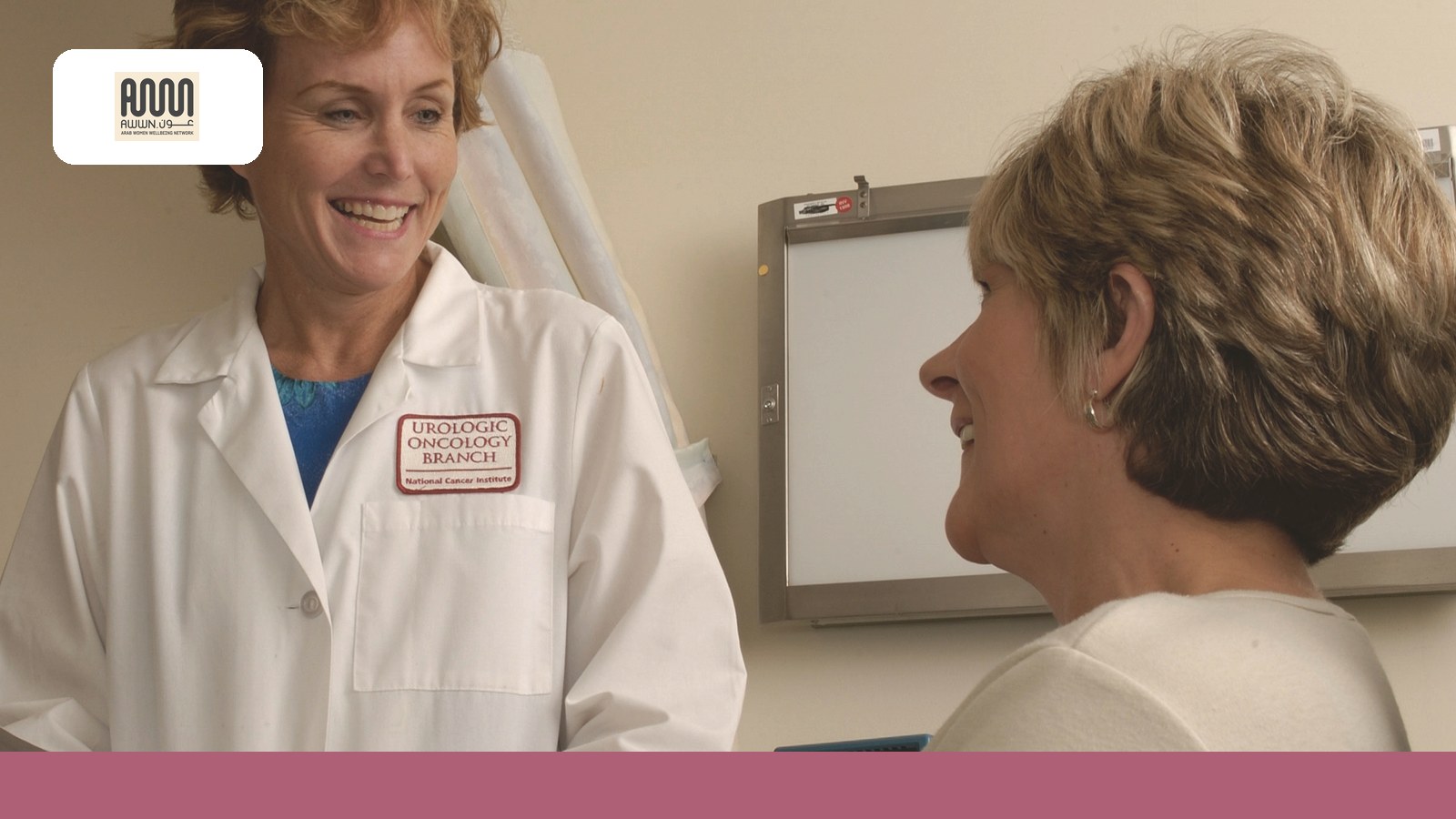
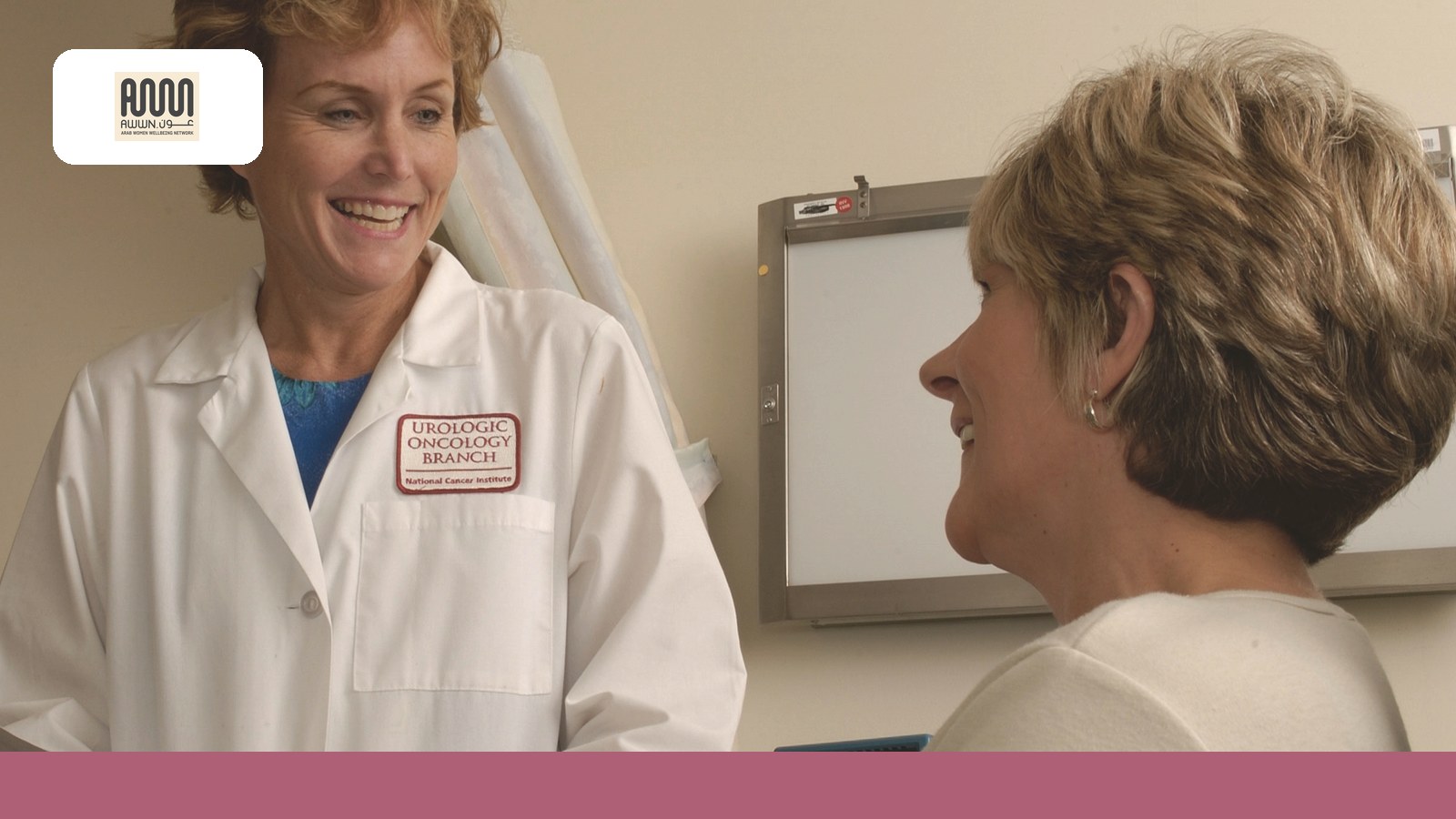
Featured image adapted from National Cancer Institute / Wikimedia Commons, Public domain.