
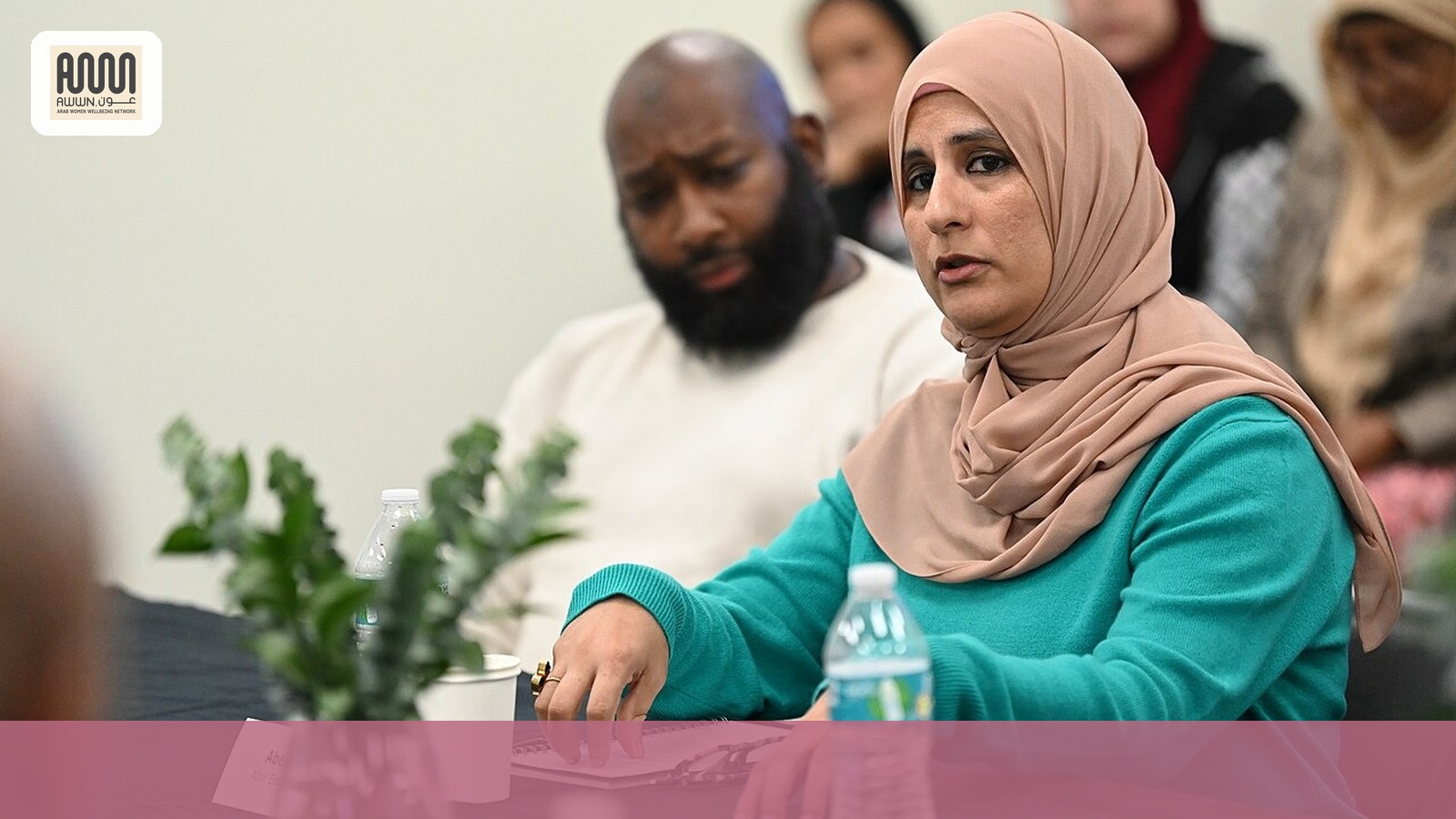
How to look for women-only, culturally comfortable and confidential support in the UK while keeping choice, privacy and everyday connection.
Expanded AWWN guide: The support-space chooser
This longer guide includes practical scenarios, checklists, scripts, warning signs, official/community links and Arabic companion pages.
The difference between being private and being alone
For many Arab and MENA women in the UK, “support” is not a simple word. It can carry worries about gossip, judgement, language, immigration status, religion, family pressure or being misunderstood by services that do not know your context. Wanting privacy is sensible. But privacy should not become isolation. The goal is not to tell everyone your story; it is to find one or two safer routes where you can think clearly and get practical help.
Start with the kind of support you need
Different spaces do different jobs. A women-only community group can reduce loneliness but may not be right for legal or clinical advice. NHS talking therapies can support common mental health difficulties, but they are not crisis services. A peer group can help you feel less alone, while a specialist helpline may be more appropriate if there is abuse, coercion, forced control, or fear at home. Choosing the right door protects your energy.
Culturally comfortable does not mean uncritical
A culturally familiar space can feel warmer: people may understand Ramadan, migration stress, family obligations, racism, Islamophobia or the pressure to “represent” your community. But comfort is not enough. A good support space should also respect confidentiality, personal choice and safety. If a group pressures you to forgive, stay silent, avoid professional help, or accept control because “this is our culture”, it is not a safe space.
Ask practical questions before sharing deeply
Before telling a personal story, ask: who runs this space? Is it confidential? Are staff trained? Is it women-only or mixed? Are interpreters available? Does the group signpost to qualified advice when needed? What happens if someone is at risk? You can start with a small question and see how they respond. You do not owe your full history to any group immediately.
Keep connection ordinary as well as formal
Support is not only counselling or crisis help. It can be a walking group, library class, mosque women’s circle, university society, English conversation group, mother-and-baby session, or a trusted friend who respects boundaries. Everyday connection matters because loneliness often grows quietly. A weekly place where you are recognised kindly can be protective even when life is not in crisis.
When the situation is urgent
If someone is in immediate danger, emergency services are the route. If there is domestic abuse or coercive control, confidential specialist services such as the National Domestic Abuse Helpline can help think through safety. If you feel unable to stay safe with yourself, Samaritans can listen at any time. AWWN’s practical message: choose support that increases your options, not pressure that narrows them.
Why “women-only” is not the only test
Women-only spaces can be important, especially for readers who feel more comfortable without men present. But women-only does not automatically mean safe, trauma-informed or confidential. A group can be warm and still be unprepared for abuse disclosures, immigration fear, depression, coercive control, racism, Islamophobia or family pressure. The right question is not only “Are there women there?” but “What happens if I say something difficult?”
Support can be layered
One woman may need a GP appointment, NHS talking therapies, a local walking group and a confidential helpline at different moments. Another may only need ordinary companionship after moving cities. A third may need specialist domestic-abuse support but not be ready to use that language. Good support is layered: everyday belonging, mental-health help, practical advice, and specialist safety routes are not the same thing.
How to try a space without overexposing yourself
Attend once. Notice who speaks, who listens, whether people interrupt, whether private stories are repeated, and whether organisers explain boundaries. Ask a low-risk question first. You can say, “I’m looking for support but I’m not ready to share details.” A respectful space will accept that. If the group pushes for your story, your family situation, your immigration status or your trauma before trust exists, step back.
Digital communities need the same care
Facebook groups, WhatsApp circles and TikTok advice can make women feel seen. They can also spread inaccurate advice, screenshots and gossip quickly. Before posting personal details, check whether the group has moderation, privacy rules and a clear purpose. Do not share passport pages, visa screenshots, payslips, addresses, court papers or identifiable children’s details in informal spaces.
A better definition of support
Support is not someone deciding for you. It is information, listening, signposting and practical safety that leaves you with more options. For AWWN readers, culturally comfortable support should not ask women to choose between dignity and help. It should respect faith, language, family complexity and personal boundaries while still being honest about risk.
Practical takeaway
This article is designed to help the reader take one manageable step today, keep evidence, and know where official or specialist help begins. It is general information, not personal legal, immigration, medical or financial advice.
ملخص عربي
الدعم المناسب لا يعني أن تحكي كل شيء للجميع. ابدئي بمساحة صغيرة وآمنة، واسألي عن السرية والتدريب ومن يدير المكان. المساحة الجيدة تزيد اختياراتك وتحترم خصوصيتك ولا تضغط عليك باسم العائلة أو السمعة أو الثقافة.
Sources and further reading
- NHS talking therapies
- Hub of Hope
- Mind: peer support
- Muslim Women’s Network UK
- Samaritans
- National Domestic Abuse Helpline
Last checked 20 September 2026. General information only.