
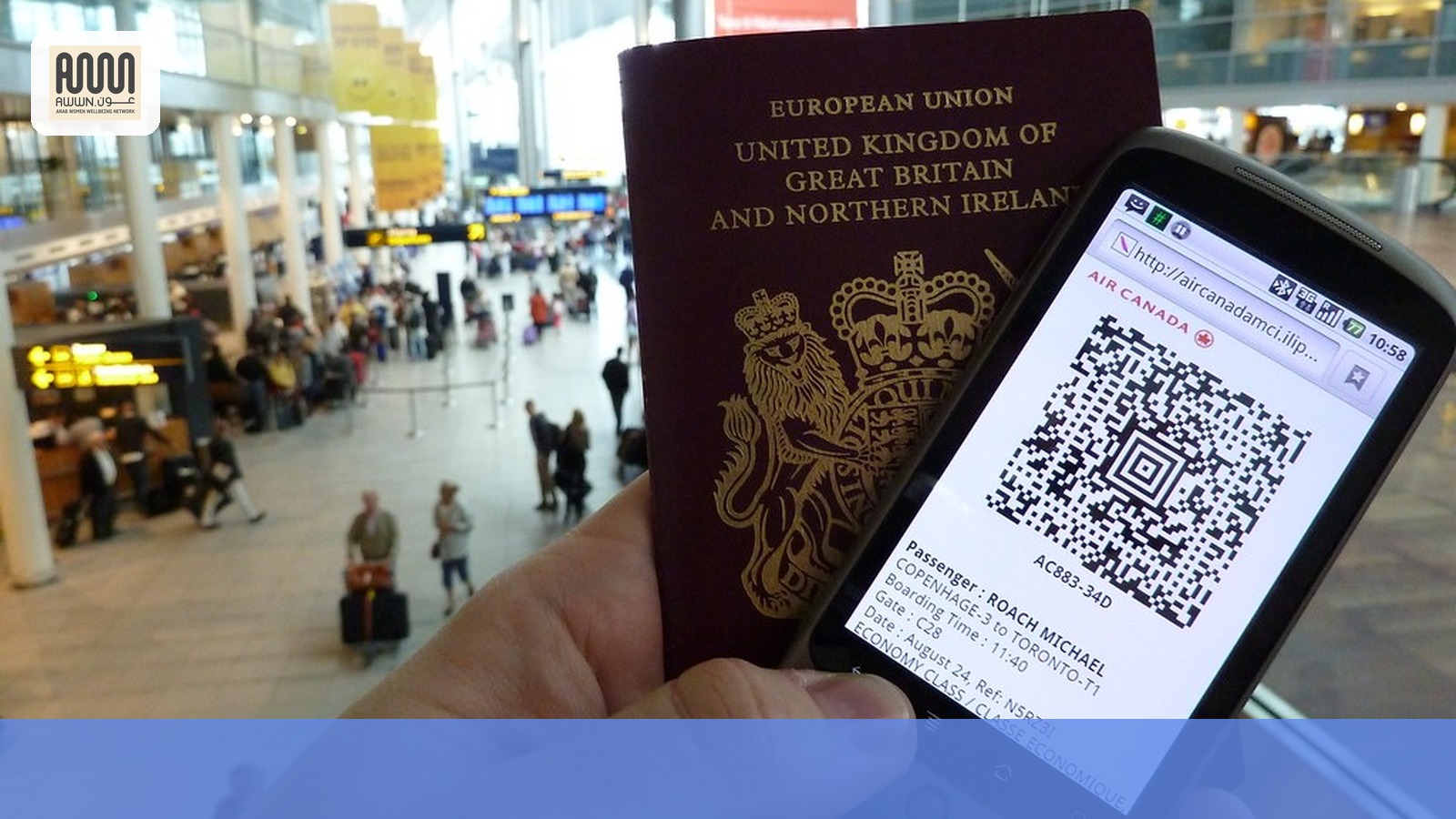
A careful, non-alarmist guide to protecting documents, money, phone access and evidence when control begins to affect everyday safety.
Expanded AWWN guide: The quiet documents and phone safety plan
This longer guide includes practical scenarios, checklists, scripts, warning signs, official/community links and Arabic companion pages.
Control can begin quietly
Sometimes control does not begin with shouting. It begins with “I will keep that safe for you”, “you do not need your own bank card”, “give me your phone password”, or “I will speak to the landlord/employer/college for you”. In some families and relationships, help is genuine. But if another person keeps your passport, money, phone, documents or login details in a way that limits your choices, it is worth taking it seriously.
Your documents are part of your independence
A passport, BRP if still held, eVisa account access, bank card, tenancy agreement, marriage or birth certificate, employment contract and NHS letters are not only paperwork. They are routes to travel, work, healthcare, housing, benefits, legal advice and safety. If someone refuses to return them, hides them, threatens to cancel your status, controls your money or monitors your phone, that may be part of wider coercive control, exploitation or abuse.
Do not escalate risk to prove a point
If you feel unsafe, do not announce a plan or confront someone because an article told you to. Quiet planning is safer. Think about copies, trusted contacts, a private email, emergency money if possible, and where you could access help without alerting the person controlling you. Use a library, advice service, GP, women’s organisation or helpline if your phone is monitored.
Make a discreet evidence folder
Evidence does not have to be dramatic. It can include photos or scans of documents, dates when items were taken, messages about money or phone access, wage or bank records, tenancy documents, names of professionals spoken to, and a timeline of incidents. Store it safely. If a phone is not private, avoid saving evidence where it can be found easily.
Know the difference between advice and emergency help
Community advice can help you understand options, but serious risk may need specialist services. Modern Slavery Helpline, domestic abuse services, Rights of Women, Migrant Help and qualified legal advisers may be relevant depending on the facts. Immigration status, marriage, employment and housing can overlap, so avoid relying on unqualified social-media advice for complex situations.
A quiet plan is not overreacting
Many women wait because they do not want to shame family, seem ungrateful, damage a relationship or admit that help has become control. You do not have to label everything immediately. You can simply take steps that preserve choice: know where your documents are, keep private access to money and phone, save trusted numbers, and ask a qualified service what your options are.
When “help” becomes control
In many families and relationships, someone may help with English forms, appointments or travel documents. That support can be kind. It becomes risky when the person refuses to return documents, controls access to money, monitors calls, decides who you can contact, threatens immigration consequences or makes you ask permission for ordinary choices. The line is not always obvious, which is why quiet planning matters.
Documents are connected to choices
A passport is not only for travel. It can affect employment checks, bank access, college enrolment, housing applications, legal advice and the ability to leave an unsafe place. A phone is not only for calls. It holds bank apps, email recovery, NHS messages, location sharing, photos of evidence and contact with friends. Losing control of these items can isolate a woman before anyone outside notices.
Do not make safety depend on one device
If your phone is monitored or shared, evidence stored on it may not be safe. Consider whether a trusted friend, secure email, printed copy or advice-service appointment is safer. Avoid dramatic changes that alert a controlling person unless you have support. Safety planning is practical, not performative: the best plan is the one that reduces risk in your real situation.
What community helpers should and should not do
A community member, relative or faith leader may be a helpful first listener, but they should not pressure reconciliation, contact the controlling person without consent, hold documents “for protection”, or give immigration/legal advice beyond their qualifications. Good helpers listen, respect confidentiality and signpost to specialist services when needed.
A quiet exit is not the only outcome
Some women may need to leave urgently. Others may need advice, document recovery, safer phone access, financial independence, counselling, immigration advice or workplace support. The guide is not telling every reader to leave. It is telling her that she deserves private access to her documents, money, phone and choices — and that specialist help exists if control is present.
Practical takeaway
This article is designed to help the reader take one manageable step today, keep evidence, and know where official or specialist help begins. It is general information, not personal legal, immigration, medical or financial advice.
ملخص عربي
إذا كان شخص يحتفظ بجوازك أو هاتفك أو مالك أو كلمات المرور بطريقة تقلل اختياراتك، فخذي الأمر بجدية. لا تواجهي إذا كان ذلك قد يزيد الخطر. ابدئي بخطة هادئة: نسخ آمنة من المستندات، أرقام موثوقة، بريد خاص إذا كان آمناً، واستشارة جهة متخصصة.
Sources and further reading
- Modern Slavery Helpline
- GOV.UK: National Referral Mechanism guidance
- Rights of Women
- Migrant Help
- National Domestic Abuse Helpline
- GOV.UK: passports
Last checked 20 September 2026. General information only.