
Right to work, pay and job checks: a 2026 career note for Arab women in the UK
For Arab women looking for work in the UK, the job search is not only about CVs and interviews. It is also about proving your right to work, understanding pay, avoiding exploitative employers, and knowing when a request feels wrong.
This matters more now because many immigration statuses are digital. Employers may ask for a share code to check your right to work. That can feel stressful if your UKVI account is not updated, if your English is not confident, or if someone else usually handles your paperwork.
Know how to prove your right to work
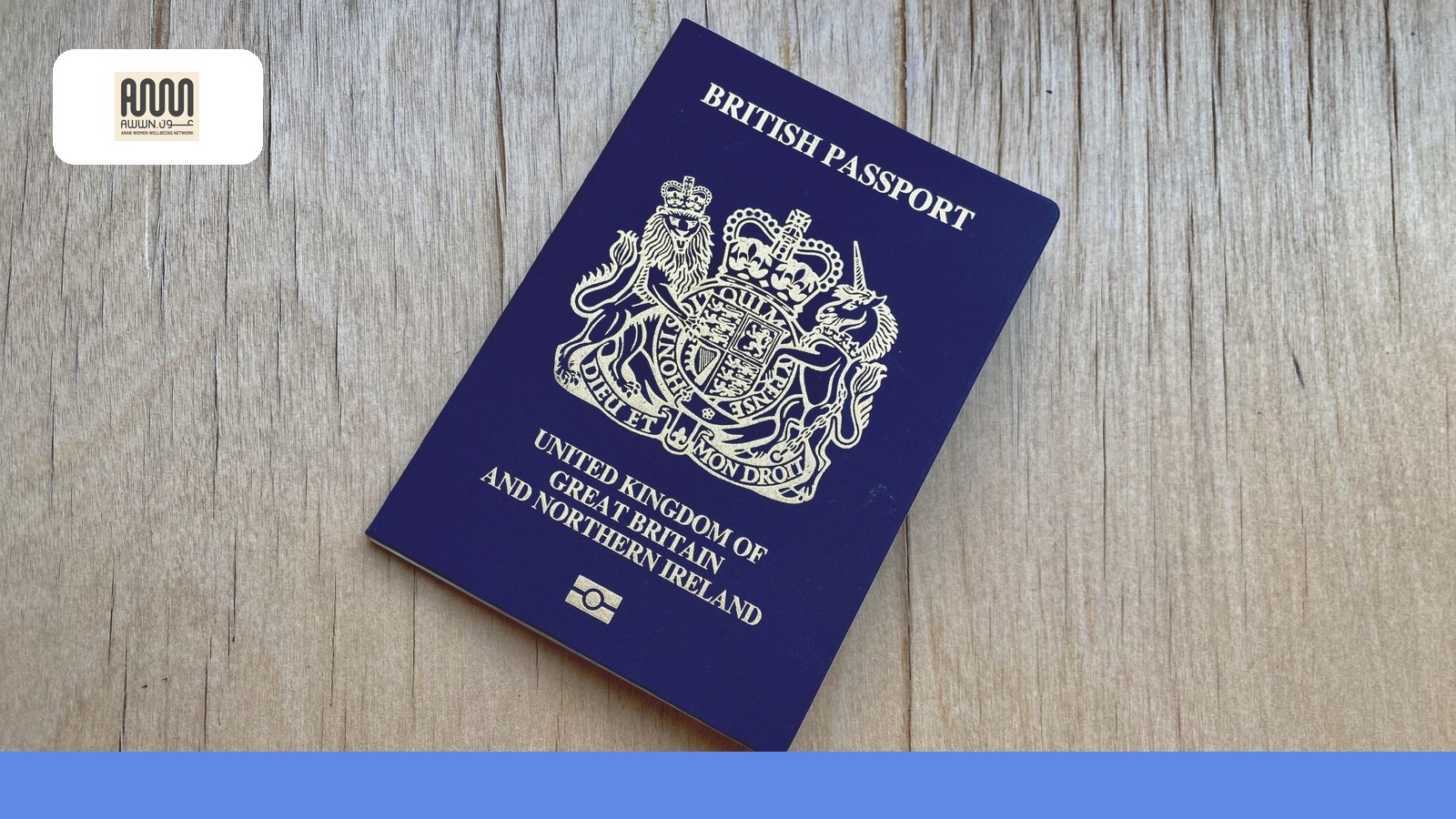
GOV.UK has a service for proving your right to work here: Prove your right to work to an employer. Employers also have official guidance on checking a job applicant’s right to work: Checking a job applicant’s right to work.
Before applying widely, check that you can access your account and generate the share code yourself. Do not hand over your login details to a recruiter, friend, landlord or employer. A legitimate employer should not need your UKVI password.
Check the pay, not just the title
A job title can sound professional while the pay is poor. Before accepting work, compare the offer with the National Minimum Wage and National Living Wage rates published by GOV.UK: National Minimum Wage and National Living Wage rates.
Ask how many hours are expected, whether breaks are paid, whether training is paid, how holiday pay works, and whether the role is employed or self-employed. These details affect your real income.
Be careful with informal work
Some women accept cash work because it feels easier, especially when they need money quickly or are new to the UK. Be careful. Informal work can create problems around pay, tax, immigration conditions, safety and proof of employment history.
If an employer refuses to put basic terms in writing, delays pay, keeps documents, asks for unpaid trial shifts beyond what is reasonable, or pressures you not to ask questions, treat that as a warning sign.
Your accent is not a weakness
Many Arab women worry about sounding different in interviews. You do not need to erase your accent to be professional. Prepare clear examples of your work, practise common questions, and ask for written confirmation of salary, hours, location and start date.
AWWN wants more Arab and MENA women to enter the UK labour market with confidence, not just gratitude for any opportunity. A job should not cost you your dignity.