Legal Rights & Support
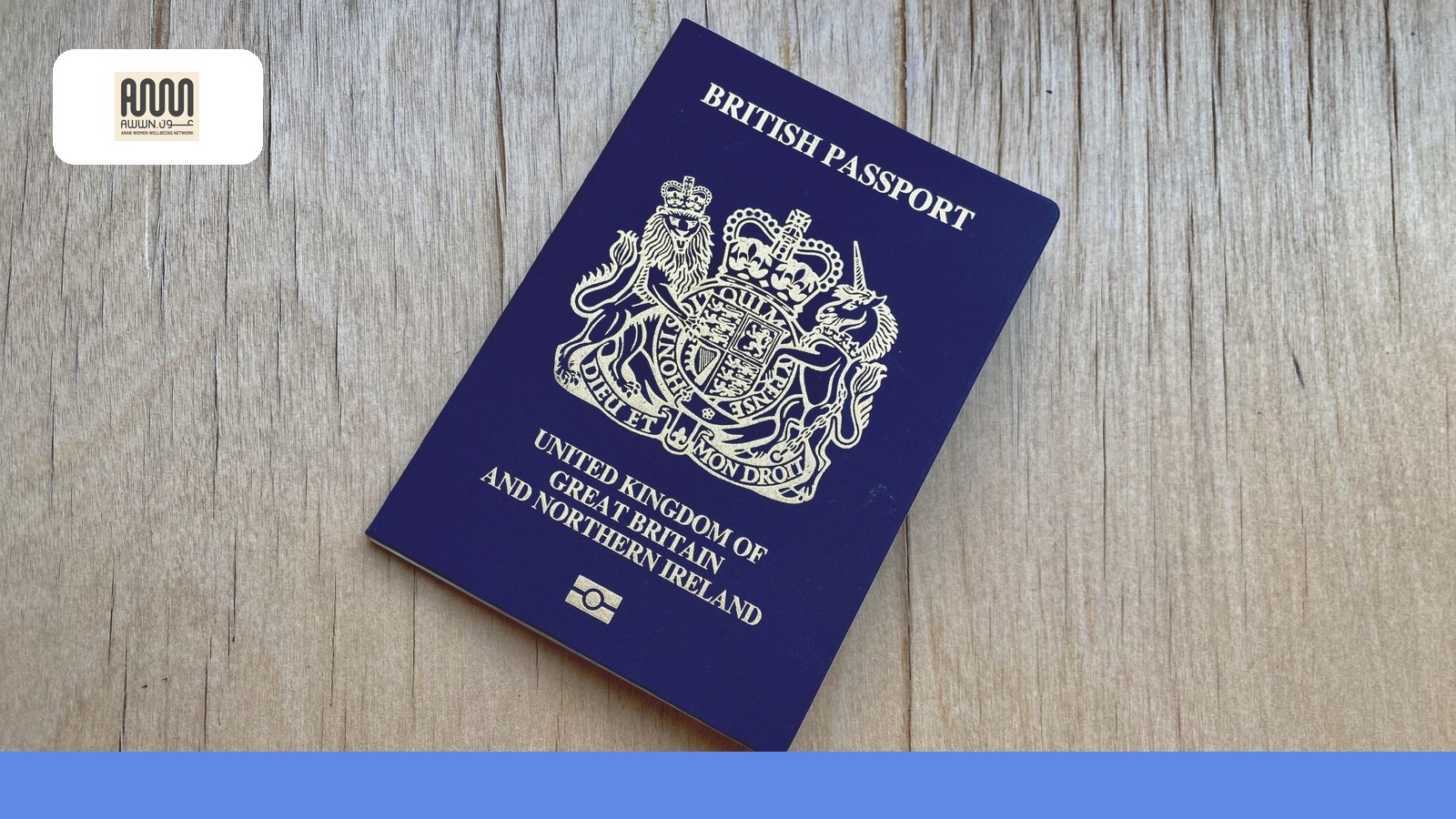
Control is not always loud. Sometimes it looks like a passport kept by someone else, money you cannot reach, a phone that is checked, or threats about immigration. Safety may begin quietly.
Download the practical guide: keep the article for context, and use the PDF when you want a checklist, a script, or a calmer way to plan the next step.
Some women recognise danger because it has a name. Shouting. Threats. Violence. Fear. Other forms are harder to name because they arrive dressed as care, tradition, family honour, financial sense or “I know this country better than you”.
A passport is kept in a drawer you cannot open. A bank card is “looked after” by someone else. Your phone is checked at night. Your location is questioned. Your messages are read. Someone tells you that if you speak to anyone, you will lose your children, your visa, your home, your family, or your reputation.
If any part of that feels familiar, you do not have to decide today whether the word “abuse” applies. Labels can be heavy, especially when love, fear, immigration status, children, money and community are all tangled together. What matters first is whether you have privacy, access and choices.
Document control changes the balance of power
Passports, immigration accounts, birth certificates, marriage documents, tenancy papers, bank cards, NHS letters and children’s documents are not just paper. They affect movement, work, housing, school, benefits, travel, appointments and safety. When someone controls them, they may also control the pace of your decisions.
If it is safe, start with copies rather than confrontation. A photo of a document. A scan saved to a private email. A note of your passport number. A trusted person who knows where the originals are. These small steps do not solve everything, but they can make it easier to speak to an adviser later.
Your phone may not be a private place
For many women, the phone is both lifeline and risk. It holds WhatsApp chats, bank apps, location history, search history, photos, two-factor codes and the numbers of people who might help. If someone checks it, shares access, knows your passcode, or has installed tracking, searching for support on that phone may not be safe.
Use another route where possible: a library computer, a trusted friend’s phone, a work device, a support worker, a school or GP appointment, or a phone line when you can speak privately. If you clear browser history, remember that this can sometimes look suspicious to someone who monitors you. Safety planning is personal. What is safe for one woman may be risky for another.
Immigration threats are often used to silence women
Threats about visa status can be terrifying. They can also be misleading. Someone may tell you that you have no rights, that nobody will believe you, that services will automatically inform immigration authorities, or that you cannot ask for help because of your status. Do not rely on the person threatening you for legal information.
Specialist domestic abuse services, Citizens Advice and qualified immigration/legal advisers can help you understand options. The right route depends on your circumstances, so this article cannot give personal legal advice. It can say this: being frightened of the system is not the same as having no options.
You do not have to make the biggest decision first
People often imagine safety as one dramatic exit. Sometimes that is necessary, especially when danger is immediate. But often safety begins with something quieter: memorising one number, packing a small bag, opening a private email account, speaking to a GP alone, telling one trusted person, or learning which service can help without forcing you to act before you are ready.
If you are in immediate danger, call emergency services. If the danger is not immediate, take your time where you can. Plan around your real life, not around what strangers think courage should look like.
The downloadable quiet safety plan is designed for private use. If keeping a PDF on your phone could put you at risk, do not download it on that device. Read it somewhere safer, copy only what you need, or ask a trusted professional to help you plan.
بعض النساء يعرفن الخطر لأنه واضح الاسم: صراخ، تهديد، عنف، خوف. لكن أشكالا أخرى أصعب في التسمية، لأنها تأتي بملابس الرعاية أو التقاليد أو سمعة العائلة أو “أنا أعرف هذا البلد أكثر منك”.
جواز السفر محفوظ في درج لا تستطيعين فتحه. بطاقة البنك “للحفاظ عليها” مع شخص آخر. الهاتف يُفتش ليلا. موقعك يُسأل عنه. رسائلك تُقرأ. ويقال لك إنك إذا تحدثت مع أحد ستفقدين أطفالك، أو تأشيرتك، أو بيتك، أو عائلتك، أو سمعتك.
إذا كان شيء من هذا مألوفا، لا تحتاجين اليوم إلى قرار نهائي حول كلمة “إساءة” أو “عنف”. الكلمات قد تكون ثقيلة، خصوصا عندما يختلط الحب والخوف ووضع الهجرة والأطفال والمال والمجتمع. المهم أولا هو: هل لديك خصوصية؟ هل لديك وصول إلى أوراقك ومالك؟ هل لديك اختيارات؟
السيطرة على الوثائق تغير ميزان القوة
الجواز، حساب الهجرة، شهادات الميلاد، عقد الزواج، عقد السكن، بطاقة البنك، رسائل NHS وأوراق الأطفال ليست مجرد أوراق. هي ترتبط بالحركة، والعمل، والسكن، والمدرسة، والمساعدات، والسفر، والمواعيد، والسلامة. عندما يسيطر شخص عليها، قد يسيطر أيضا على سرعة قراراتك.
إذا كان ذلك آمنا، ابدئي بالنسخ لا بالمواجهة. صورة لوثيقة. مسح محفوظ في بريد خاص. رقم الجواز مكتوب في مكان آمن. شخص موثوق يعرف أين توجد الأوراق الأصلية. هذه الخطوات الصغيرة لا تحل كل شيء، لكنها قد تجعل الحديث مع مستشار أو جهة دعم أسهل لاحقا.
هاتفك قد لا يكون مكانا خاصا
بالنسبة لكثير من النساء، الهاتف هو خط الحياة ومصدر الخطر في الوقت نفسه. فيه واتساب، تطبيق البنك، سجل الموقع، سجل البحث، الصور، رموز التحقق، وأرقام من قد يساعدونك. إذا كان هناك من يفتشه، أو يعرف كلمة المرور، أو يشاركك الحسابات، أو يتتبع موقعك، فقد لا يكون البحث عن الدعم من هذا الهاتف آمنا.
استخدمي طريقا آخر إذا أمكن: جهاز مكتبة، هاتف صديقة موثوقة، جهاز عمل، عاملة دعم، موعد مدرسة أو GP، أو خط هاتف عندما تستطيعين الكلام وحدك. وإذا مسحت سجل البحث، تذكري أن ذلك قد يثير شك شخص يراقبك. التخطيط للسلامة شخصي جدا. ما يكون آمنا لامرأة قد يكون خطرا على أخرى.
تهديدات الهجرة تُستخدم كثيرا لإسكات النساء
التهديد بوضع الهجرة قد يكون مرعبا. وقد يكون أيضا مضللا. قد يقول لك شخص إنك بلا حقوق، أو أن لا أحد سيصدقك، أو أن الخدمات ستبلغ سلطات الهجرة تلقائيا، أو أنك لا تستطيعين طلب المساعدة بسبب وضعك. لا تأخذي المعلومات القانونية من الشخص الذي يهددك.
خدمات العنف الأسري المتخصصة، وCitizens Advice، والمستشارون القانونيون أو مستشارو الهجرة المؤهلون يمكن أن يساعدوك على فهم الخيارات. الطريق الصحيح يعتمد على وضعك، لذلك لا يقدم هذا المقال نصيحة قانونية شخصية. لكنه يقول شيئا مهما: خوفك من النظام لا يعني أنك بلا خيارات.
لا يجب أن يكون أول قرار هو الأكبر
يتخيل الناس السلامة أحيانا كخروج كبير ومفاجئ. أحيانا يكون ذلك ضروريا، خصوصا إذا كان الخطر فوريا. لكن السلامة تبدأ كثيرا بخطوة أهدأ: حفظ رقم واحد، تجهيز حقيبة صغيرة، فتح بريد خاص، الحديث مع GP وحدك، إخبار شخص موثوق، أو معرفة أي خدمة تستطيع مساعدتك دون أن تدفعك إلى قرار قبل أن تكوني مستعدة.
إذا كنت في خطر فوري، اتصلي بخدمات الطوارئ. وإذا لم يكن الخطر فوريا، خذي وقتك حيث تستطيعين. خططي حول حياتك الحقيقية، لا حول ما يتخيله الآخرون عن الشجاعة.
تحميل الدليل العملي: احتفظي بالمقال للفهم والسياق، واستخدمي ملف PDF عندما تحتاجين إلى قائمة خطوات أو جمل جاهزة أو طريقة أهدأ لترتيب القرار التالي.
Official links and limits
AWWN note: this article and guide are for general information and confidence-building. They are not legal, medical or immigration advice. Last checked: 2026-09-12.
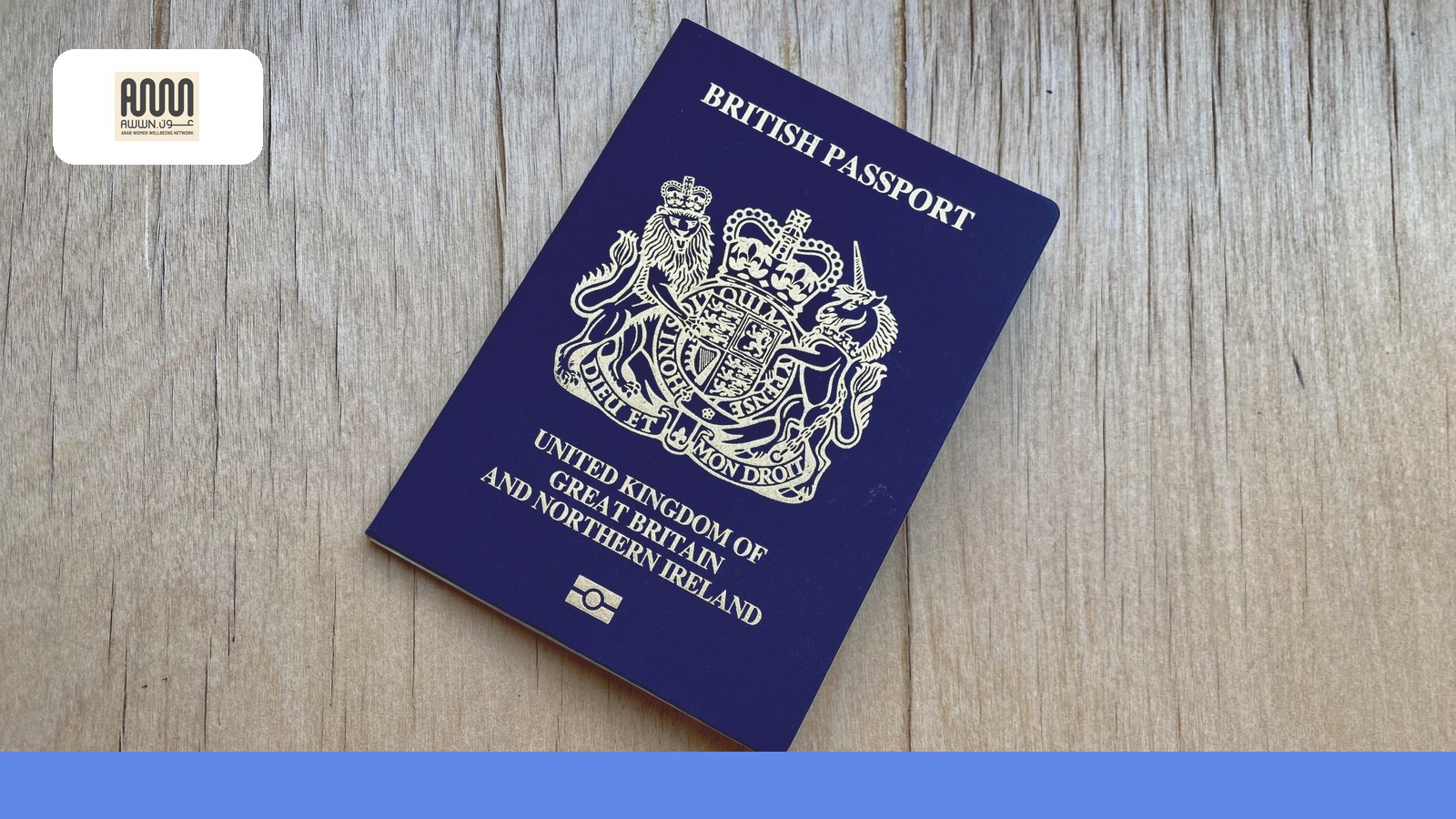
Featured image adapted from Evisa Express / Wikimedia Commons, CC BY 2.0.