Moving to a new country like the UK is an adventure, but it also presents unique challenges that can impact your mental health. From navigating a new culture to being away from your familiar support system, it’s normal to experience a range of emotions. Understanding mental wellbeing is just as crucial as understanding your physical health, especially when you’re building a new life abroad.
This guide will help you recognize the signs of mental health challenges, build strong pillars of wellbeing, and know how to access support when you need it.
1. Recognizing the Signs: What to Notice
Sometimes, the changes are subtle, but recognizing the signs early can make a big difference. Pay attention to shifts in how you feel, act, and think.
A. Emotional and Mood Changes:
-
Persistent sadness, anxiety, or feelings of emptiness.
-
Loss of interest or pleasure in activities you once enjoyed.
-
Irritability, anger, or feeling overwhelmed.
-
Feeling hopeless or helpless.
B. Behavioural Changes:
-
Withdrawing from friends, family, or social activities.
-
Changes in sleep patterns (sleeping too much or too little).
-
Changes in appetite or weight.
-
Increased use of alcohol or drugs.
-
Difficulty concentrating or making decisions.
C. Physical and Cognitive Changes:
-
Unexplained aches, pains, or digestive problems.
-
Persistent fatigue or low energy.
-
Headaches or dizziness.
-
Problems with memory or fuzzy thinking.
If you notice these changes lasting for more than a couple of weeks, it’s a sign to pay closer attention to your mental health.
2. Pillars of Wellbeing: Building Your Resilience
 While professional help is crucial when needed, there are daily practices that can significantly support your mental wellbeing. Think of these as your daily resilience boosters.
-
Prioritize Physical Health: Your physical and mental health are deeply connected. Ensure you’re eating nutritious food, staying hydrated, and getting regular exercise. Even a brisk walk in a local park can do wonders.
-
Connect with Others: Loneliness is a significant challenge for expats. Make an effort to build a new community. Join local groups, attend Meetups, or reach out to other expats. Meaningful connections provide vital support.
-
Create a Relaxing Daily Routine: In a new environment, routine brings comfort. Dedicate time each day for activities that help you unwind, whether it’s reading, listening to music, meditation, or a quiet cup of tea.
-
Make Time for Things You Love: Don’t let your new life be all work and no play. Rediscover old hobbies or explore new ones that bring you joy. This helps maintain a sense of self and purpose.
-
Focus on Positive Ideas: Practice gratitude by noting things you’re thankful for. Challenge negative thoughts and try to reframe situations. A positive mindset can significantly impact your overall wellbeing.
3. Seeking Support: You Are Not Alone
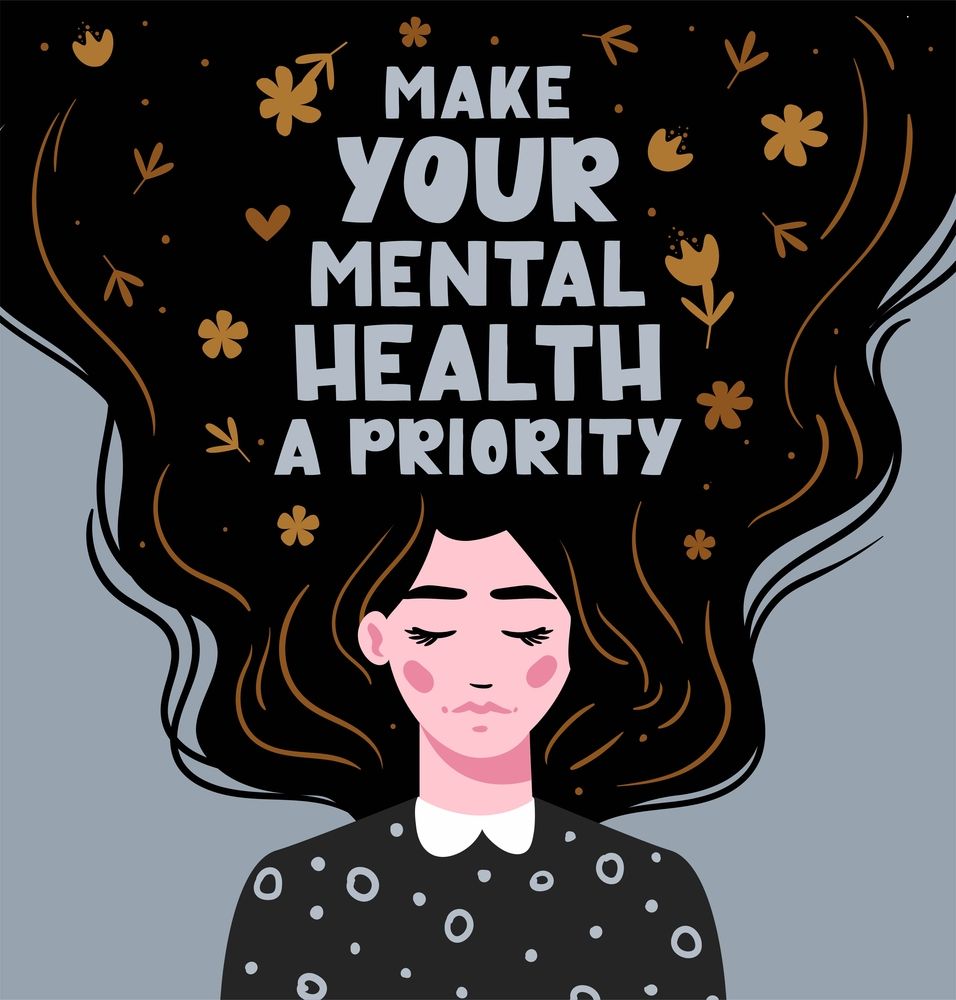
It’s crucial to remember that mental health is as vital as physical health. There’s immense strength in acknowledging when you’re struggling and reaching out for help. Seeking professional support is a brave, proactive step toward healing and regaining control. You don’t have to navigate challenging feelings alone; support is readily available in the UK.
4. How to Reach Professional Help in the UK
The UK’s National Health Service (NHS) offers a range of mental health services. Here’s how to access them:
-
GP Referral: This is often the first step for many.
-
Book an appointment with your GP: Explain that you would like to discuss your mental health.
-
Discuss your symptoms: Be open and honest about how you’re feeling.
-
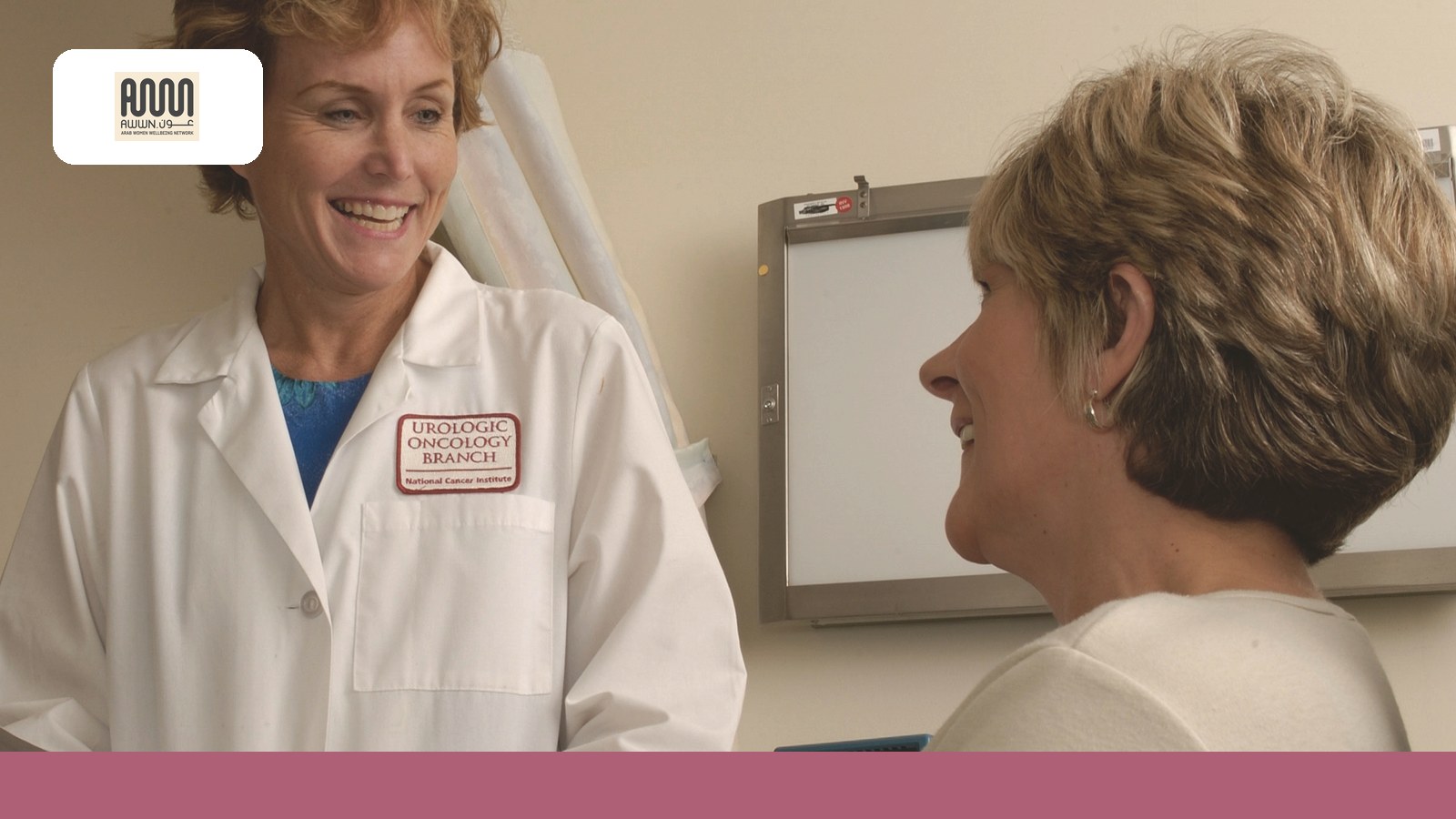
Ask for a referral: Your GP can refer you to specialist mental health services, which might include talking therapies, psychiatric assessment, or other forms of support.
-
-
Self-Referral to NHS Talking Therapies: In many areas of the UK, you can refer yourself directly to the NHS Talking Therapies service (formerly known as IAPT) without needing to see a GP first.
-
Search the NHS website: Go to the NHS website and search for your local “NHS Talking Therapies” service.
-
Complete the online self-referral form or call them: This service offers various forms of psychological therapies, such as Cognitive Behavioural Therapy (CBT), for common mental health problems like anxiety and depression.
-
-
Private Therapy: If you prefer not to use NHS services, or if waiting times are long, you can also seek private therapy. You can find accredited therapists through organizations like the British Association for Counselling and Psychotherapy (BACP) or the UK Council for Psychotherapy (UKCP).
Here are the most Official & High-Authority Resources for accurate and up-to-date support platforms provide verified mental health information and services across the UK:
-
NHS Every Mind Matters: The official NHS hub for mental health. It includes a “Mind Plan” quiz that gives you a personalized action plan for stress, anxiety, and sleep.
-
GOV.UK Migrant Health Guide: An official government resource that explains your rights to healthcare in the UK and how the mental health system works for those arriving from abroad.
-
NHS Talking Therapies: Use this official portal to find and refer yourself to free psychological therapies (like CBT) in your specific local area.
-
Mind: The Mental Health Charity: While a charity, Mind works closely with the NHS. Their Information & Support section is the UK’s most trusted guide for understanding diagnoses and legal rights.
-
Hub of Hope: The UK’s most comprehensive mental health support directory. You can filter by “Postcode” to find official NHS services and local charities near you.
-
Arabic Therapists UK: A specialized directory that connects you with qualified, UK-verified therapists who are fluent in Arabic and understand the cultural nuances of moving from the Arab world.
Emergency Contacts (Save these in your phone)
If you or someone you know is in immediate danger or a mental health crisis:
-
Call 999: For life-threatening emergencies.
-
Call 111: For urgent medical advice that is not life-threatening.
-
Text SHOUT to 85258: A free, confidential, 24/7 text messaging support service.
-
Call Samaritans at 116 123: A free, anonymous 24-hour helpline for anyone who needs to talk.
Remember, taking care of your mental health is a continuous journey, not a destination. Be patient and kind to yourself as you adjust to your new life in the UK. There is a whole network of support waiting for you.